-
 Granbury residents are asking a Fort Worth appeals court to order recall elections after the city rejected petitions targeting the mayor and four council members over the Project Patriot data center.
 -
 The SMU PhD student lost the deal after he was accused by an editor of using AI to write portions of it.
 -
 Ken Paxton's Senate campaign received thousands in donations from the data center industry as Hood County awaits ruling from the AG on its data center moratorium.
 -
 Seven former employees accuse Dallas-based Prime Data Centers of withholding more than $400 million in compensation, alleging executives misrepresented phantom equity agreements in multiple lawsuits.
 -
 The University of North Texas will roll out its new Bachelor of Science in Artificial Intelligence this fall, joining a growing list of higher education institutions to offer the degree.
 -
 ERCOT and the PUCT said they've already taken steps to regulate large energy consumers and called for the state legislature to expand their authority.
 -
 Thirteen years ago, when Texas created the tax deal for data centers, state lawmakers expected to lose — at most — $14 million in tax revenue in Texas' next 2-year budget cycle. Now, state projections show it could lead to Texas forgoing more than $3 billion in the 2028-29 biennium.
 -
 Wistron Corp. and Nvidia partner on AI systems at a new manufacturing factory that will create 800 jobs.
 -
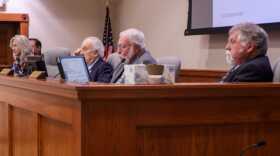 A Hood County judge dismissed a lawsuit over two proposed data center projects, allowing the county to continue reviewing the developments after rejecting developers' legal challenge.
 -
 Granbury residents filed recall petitions against the mayor and four council members, alleging a loss of public trust over Project Patriot and transparency concerns tied to the proposed data center.
 -
 AI chatbots can expand access to mental health care, but UT Dallas researchers say human connection still matters.
 -
 More than 800 Granbury residents signed a petition demanding a vote of no confidence against city officials after an undisclosed data center project sparked transparency and legal concerns.

© 2026 KERA News
NPR for North Texas
Play Live Radio
Next Up:
0:00
0:00
Available On Air Stations


