-
 Members of the hemp industry are suing Texas, claiming that the ban on hemp-derived THC products impose an unconstitutional burden on interstate commerce.
 -
 Hemp businesses and consumers asked to block state regulations on THC, but their lawsuit remains pending.
 -
 A gathering of business owners in Austin shows that while their billion-dollar industry faces peril, their hopes remain elevated.
 -
 The Texas Fifteenth Court of Appeals has cleared the way for new Department of State Health Services rules governing hemp products to take effect again, including higher fees for businesses and limits on the sale of THCA flower and concentrates. But DSHS says they're still considering how to proceed.
 -
 A Texas Supreme Court order took effect May 28 that allows state health officials to again treat manufactured Delta-8 THC as a Schedule I controlled substance, a legal category that includes peyote and Ecstasy.
 -
 Dr. Francesca Filbey, psychology professor and Bert Moore Chair in BrainHealth at UTD, shares what her research on hemp usage has found.
 -
 The Texas hemp industry is asking a judge to suspend some of the state's new rules while businesses challenge the regulations in court.
 -
 Business owners say DSHS overstepped its authority when it changed the regulations around consumable hemp products. The head of the Texas Hemp Business Council agrees.
 -
 The future of smokeable hemp in Texas is unclear. A temporary injunction hearing this week will answer some questions, but how are things looking right now?
 -
A temporary restraining order on Texas rules effectively banning the manufacture and sale of consumable hemp products in the state is due to expire Friday. A district court in Travis County will hear evidence on Thursday as it considers whether to enjoin the rules until a legal challenge comes to trial.
-
 Companies seek immediate pause of rules, accusing Texas regulators of effectively banning smokable products, raising fees beyond what's allowed and sidestepping rulemaking requirements.
 -
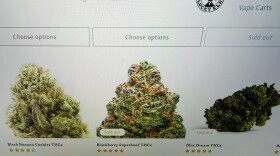 Texas says new rules banning sales of smokable hemp also apply to out-of-state companies. But cannabis lawyers question the rules and Austin police won't confiscate hemp if you have the packaging.

© 2026 KERA News
NPR for North Texas
Play Live Radio
Next Up:
0:00
0:00
Available On Air Stations


