

-
 Priscilla Rice/KERATexas has a 91% Supplemental Nutrition Assistance Program, or SNAP, accuracy rate — which could mean the state will be responsible for more than $700 million in benefits costs. If Texas has to cover part of the benefits costs, it would be the first time since the program started in the 1960s.
 -
 Abigail Ruhman/KERAIn an eight-hour committee hearing focused on fraud in social services programs, Texas lawmakers heard updates on how state agencies are responding to calls for stronger anti-fraud measures in programs like Medicaid and the Child Care Services program. The Wednesday hearing of the Senate Health and Human Services committee also included more than 50 Texans sharing concerns with state policymakers.


-
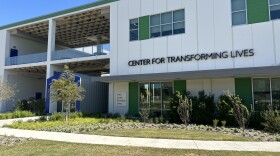 Alongside a plethora of services, Nurture & Thrive looks to give Black families a brave space to ask important questions, organizers said.
 -
 A Dallas cardiologist explains why and how doctors should now begin checking for signs of heart disease when patients are in their 30s.
 -
 Nurses may no longer qualify for higher student loan limits. It could worsen Texas’ nursing shortageThe U.S. Department of Education proposed a rule that could limit how much students can borrow for different degree programs. A KERA listener wants to know how that could affect health disparities in Texas.
 -
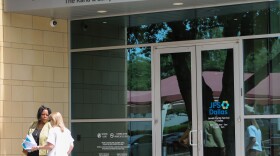 JFS Dallas opened a 100,000 square-foot campus in Addison to provide comprehensive services to an "medically underserved area." JFS Dallas' CEO said the location could be the first community health center in North Texas to have comprehensive services on site.
 -
 ‘Trial and error’: Texas community orgs, retailers prepare as state implements new SNAP restrictionsStarting April 1, Texans won't be able to use their Supplemental Nutrition Assistance Program, or SNAP, benefits to purchase "candy or sweetened drinks." Texas retailers and nonprofits have spent month preparing for the new restrictions — but some recipients may not know until they're checking out at the store.
 -
 A proposed rule would allow some children to qualify for the Medically Dependent Children Program — a Medicaid program that offers home- and community-based services to children with complex medical needs — without needing a nursing facility stay. But, advocates said the language is too “narrow" and could hinder providers.
 -
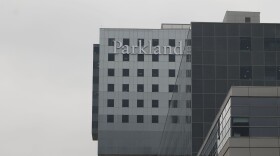 Dallas County’s medical safety net provider wants to build a clinic in one of the fastest-growing areas in the county. The new Parkland Health clinic will provide primary and pediatric care to thousands of residents in the Inland Port area, which is considered a health care desert.
 -
 Texans with disabilities are facing a lot of challenges like public transit changes, Medicaid cuts and federal lawsuits that could have a significant effect on disability rights. But disability advocates said learning how to participate in advocacy work can be difficult and intimidating.That’s where the new Advocacy, Collaboration and Engagement, or ACE, training comes in.
 -
 An internal medicine specialist in Dallas explains the usual timeline and why it can vary.
 -
 Parkland Health was one of just two Texas-based organizations chosen for a “prestigious” national program designed to address provider burnout and workforce well-being concerns. The National Academy of Medicine selected Dallas County’s safety net hospital to join the Change Maker Accelerators program.
 -
 A court-appointed Texas Department of Family and Protective Services regional manager will take over foster care services in nine North Texas counties after allegations that mismanagement at a private contractor put children in harm.
 -
 Texas Department of Family and Protective Services has asked a Dallas County court to appoint a third party to take over foster care services in nine North Texas counties.


